


How LED Lighting Improves Energy Efficiency in Buildings: Complete Expert Analysis

Modern buildings consume vast amounts of electricity, with lighting accounting for nearly 20 percent of total energy usage worldwide. This staggering figure has prompted facility managers, architects, and building owners to seek innovative solutions that reduce operational costs without compromising functionality or comfort. LED lighting stands as the most transformative technology in the illumination sector, delivering unprecedented energy savings while simultaneously extending fixture lifespan and improving lighting quality. Understanding how LED technology achieves these improvements reveals why adoption rates continue accelerating across residential, commercial, and industrial sectors.
The Physics Behind LED Energy Efficiency
Light-emitting diodes operate on fundamentally different principles than traditional incandescent or fluorescent bulbs. While conventional bulbs waste substantial energy as heat, LEDs convert approximately 80 percent of electrical input directly into visible light. This exceptional efficiency stems from the semiconductor technology that generates photons without requiring resistive filaments or gas ionization.
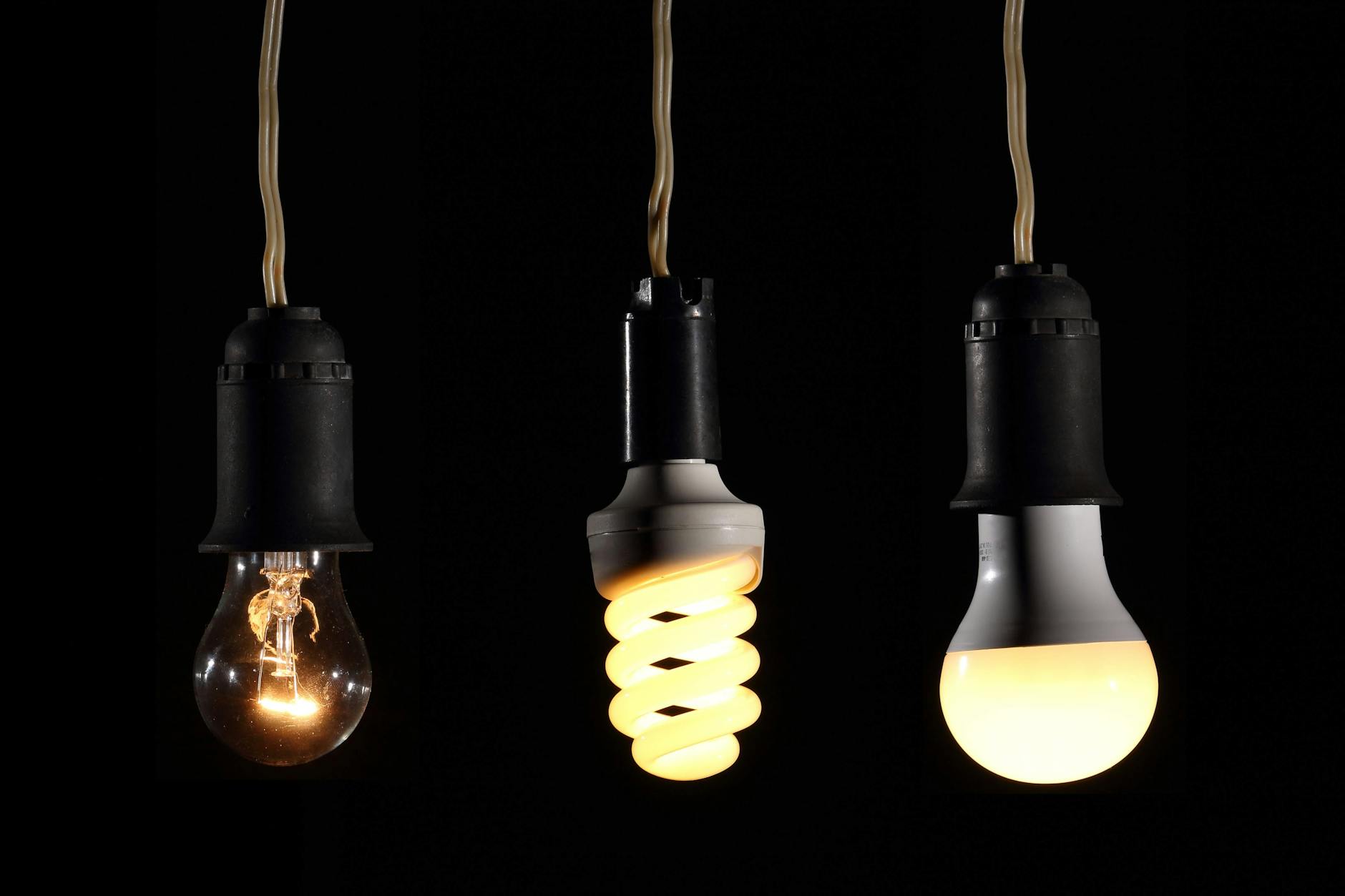
The efficiency advantage becomes immediately apparent when comparing lumens per watt - the standard measurement for lighting efficiency:
- Incandescent bulbs: 10-17 lumens per watt
- Compact fluorescent lamps (CFLs): 45-70 lumens per watt
- Standard LED bulbs: 80-120 lumens per watt
- High-efficiency LEDs: 150+ lumens per watt
This performance gap means replacing a single 60-watt incandescent bulb with an equivalent 8-watt LED reduces energy consumption by approximately 87 percent. Across an entire commercial building, such conversions accumulate into substantial operational savings that impact both budgets and environmental footprints.
Reducing Operational Costs Through Smart LED Implementation
Energy savings directly translate to reduced electricity bills, but the financial benefits extend beyond simple kilowatt reductions. LED fixtures generate minimal heat, reducing air conditioning loads during warm months. Building climate control systems operate more efficiently, requiring less compressor runtime and consuming less refrigerant. Additionally, LED longevity eliminates frequent replacement cycles - while incandescent bulbs typically last 1,000 hours and CFLs manage 8,000-10,000 hours, quality LEDs deliver 25,000 to 50,000 hours of continuous operation.
This extended lifespan yields compound savings through reduced maintenance labor, fewer supply purchases, and decreased waste disposal costs. A commercial facility with 500 light fixtures might replace incandescent bulbs quarterly, requiring significant technician time and material expenditure. The same facility using LEDs might need replacements only every 4-5 years, fundamentally altering maintenance budgets and operational procedures.
| Cost Factor | Incandescent System | LED System | Annual Savings |
|---|---|---|---|
| Energy consumption (500 fixtures) | 30,000 kWh/year | 4,000 kWh/year | $2,600 |
| Replacement frequency | 4 times yearly | Once every 4 years | $1,200 |
| Air conditioning offset | High heat load | Minimal heat | $800 |
| Total annual savings | - | - | $4,600 |
Environmental Impact and Sustainability Credentials
Beyond financial metrics, LED adoption significantly reduces environmental impact. Lighting accounts for approximately 15 percent of global electricity consumption. Widespread LED conversion would eliminate billions of tons of CO2 emissions annually. Furthermore, LEDs contain no mercury or hazardous chemicals, unlike some fluorescent alternatives, eliminating toxic waste streams and disposal complications.
Building certifications like LEED, BREEAM, and equivalent environmental standards increasingly require or heavily incentivize LED implementation. Facilities achieving these designations command premium rental rates, attract environmentally conscious tenants, and qualify for favorable financing terms. The integration of LEDs becomes essential for achieving sustainability goals rather than optional upgrades.
"Energy efficiency in modern buildings isn't merely an operational consideration - it's a strategic competitive advantage that directly influences asset value and market positioning," notes efficiency consultants evaluating contemporary facility standards.
Advanced Control Systems Amplifying LED Efficiency
LED technology's true potential emerges when paired with intelligent control systems. Daylight harvesting sensors automatically adjust artificial lighting based on natural illumination levels, occupancy sensors eliminate lights in unoccupied spaces, and dimming capabilities allow precise luminance matching to actual requirements.
These controls achieve additional energy reductions of 20-30 percent beyond LED baseline efficiency. A conference room might operate at full brightness during presentations but automatically dim to 40 percent during break periods. Parking structures maintain full illumination only when vehicles are present, reducing nighttime consumption dramatically. Integration with building management systems enables synchronized operation across entire facilities, optimizing performance holistically.

ROI Timeline and Financial Justification
Initial LED installation costs exceed traditional alternatives, typically 3-5 times higher per fixture. However, payback periods remain remarkably brief - most commercial retrofits achieve ROI within 2-4 years. Subsequent decades of operation generate pure savings with minimal additional investment. Government incentives, utility rebate programs, and tax credits further accelerate payback timelines, sometimes reducing effective ROI periods to 18-24 months.
Building owners evaluating LED conversion face straightforward financial logic: modest upfront investment generates consistent annual returns throughout 25+ year fixture lifespans. Few facility improvements deliver such compelling economics combined with environmental benefits and enhanced functionality.
Future Developments in LED Technology
Innovation continues advancing LED capabilities. Tunable white systems adjust color temperature throughout the day, supporting circadian rhythms and occupant wellness. Connected lighting networks provide real-time energy consumption data, enabling granular optimization. Organic LEDs promise even higher efficiency levels and design flexibility previously impossible with conventional fixtures.
The trajectory is unmistakable: LED technology continues improving efficiency while expanding functional capabilities. Buildings implemented LED systems today will seem primitive compared to tomorrow's possibilities - yet will still outperform any alternative available now.
Consider this question: if your building's lighting system consumes equivalent energy to powering 100 homes annually, why settle for technology delivering one-fifth the efficiency of available alternatives? The answer becomes apparent when examining combined financial and environmental benefits - making LED adoption not merely sensible but inevitable.